Επισημαίνω:
Κεραμικός εύκαμπτος αγωγός εξαιρετικής αντοχής στην τριβή
, Προσαρμόσιμη εσωτερική διάμετρος με κεραμική επένδυση από καουτσούκ
, Κεραμικός σωλήνας 5 φορές μεγαλύτερη διάρκεια ζωής
Κεραμικός εύκαμπτος σωλήνας για βυθοκόρηση και μεταφορά άμμου
Εισαγωγή προϊόντος
Οι εργασίες εκβάθυνσης και μεταφοράς άμμου σε λιμάνια, ποτάμια και παράκτια μηχανικά περιβάλλοντα περιλαμβάνουν εξαιρετικά διαβρωτικά μείγματα άμμου, λάσπης, χαλικιών και νερού. Αυτά τα υλικά δημιουργούν μια συνεχή διαβρωτική ροή, ειδικά υπό συνθήκες υψηλής ταχύτητας ροής και πίεσης.
Οι παραδοσιακοί εύκαμπτοι σωλήνες από καουτσούκ συχνά αποτυγχάνουν πρόωρα λόγω εσωτερικής φθοράς, ενώ οι χαλύβδινοι σωλήνες στερούνται ευελιξίας και είναι επιρρεπείς σε ρωγμές υπό δυναμικές συνθήκες φόρτισης, όπως κίνηση κυμάτων, δονήσεις εξοπλισμού και μετατόπιση σωλήνων.
Η πρόκληση δεν είναι μόνο η αντοχή στην τριβή, αλλά και η διατήρηση της δομικής ακεραιότητας και της ευελιξίας υπό συνεχώς μεταβαλλόμενες συνθήκες εργασίας.

Σχεδιασμός Δομικής Μηχανικής
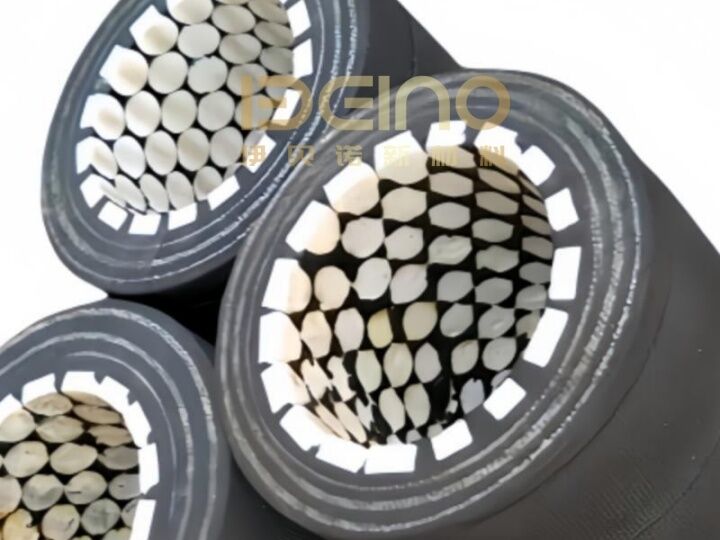
Αυτός ο κεραμικός εύκαμπτος σωλήνας έχει σχεδιαστεί με πολυστρωματική σύνθετη δομή βελτιστοποιημένη για τη μεταφορά πολτού:
Εσωτερικό Στρώμα – Κεραμικό Αλουμίνας (≥95%):Παρέχει εξαιρετικά υψηλή σκληρότητα και αντοχή στη διάβρωση από σωματίδια άμμου.
Ενδιάμεσο Στρώμα Συγκόλλησης:Εξασφαλίζει ισχυρή πρόσφυση μεταξύ κεραμικού και καουτσούκ, αποτρέποντας την αποκόλληση υπό ροή υψηλής πίεσης.
Εξωτερικό Στρώμα – Ενισχυμένο Καουτσούκ Νιτριλίου (NBR):Προσφέρει ευελιξία, αντοχή σε εφελκυσμό και αντοχή σε περιβαλλοντικές καταπονήσεις, όπως η έκθεση σε θαλασσινό νερό.
Αυτός ο σχεδιασμός επιτρέπει στον σωλήνα να διατηρεί την απόδοσή του ακόμη και υπό κάμψη, δονήσεις και διακυμάνσεις πίεσης.
Συμπεριφορά Ροής & Μηχανισμός Φθοράς
Στα συστήματα εκβάθυνσης, η φθορά προκαλείται κυρίως από:
♣Πρόσκρουση σωματιδίων υψηλής ταχύτητας στα τοιχώματα του σωλήνα
♣Τυρβώδης ροή σε καμπύλες και σημεία σύνδεσης
♣Καθίζηση και επαναεπιτάχυνση σωματιδίων
Η λεία κεραμική εσωτερική επιφάνεια μειώνει την ένταση της τυρβώδους ροής και ελαχιστοποιεί την τριβή σωματιδίων-τοιχώματος, μειώνοντας σημαντικά τους ρυθμούς φθοράς σε σύγκριση με τους συμβατικούς εύκαμπτους σωλήνες από καουτσούκ.
Επιπλέον, η σκληρότητα της κεραμικής αλουμίνας (≥85 HRA) αποτρέπει τη μικρο-κοπή και την υποβάθμιση της επιφάνειας που προκαλείται από αιχμηρά σωματίδια άμμου.
Σενάρια Εφαρμογής σε Έργα Εκβάθυνσης
♣Αυτός ο κεραμικός εύκαμπτος σωλήνας ανθεκτικός στην τριβή χρησιμοποιείται ευρέως σε:
♣Σωλήνες εκβάθυνσης λιμένων
♣Έργα εκβάθυνσης ποταμών και καναλιών
♣Συστήματα μεταφοράς πολτού άμμου
♣Έργα παράκτιας ανάκτησης γης
♣Σωλήνες εκκένωσης αντλιών
Μηχανικά Πλεονεκτήματα
♣Εκτεταμένη διάρκεια ζωής σε συνθήκες πολτού άμμου
♣Μειωμένος χρόνος διακοπής λειτουργίας σε εργασίες εκβάθυνσης
♣Εύκαμπτη εγκατάσταση για πλωτούς ή χερσαίους σωλήνες
♣Υψηλή αντοχή σε θαλασσινό νερό και περιβαλλοντικές καταπονήσεις
♣Χαμηλότερο κόστος κύκλου ζωής σε σύγκριση με χαλύβδινους ή ελαστικούς σωλήνες
Συχνές Ερωτήσεις
Ε1: Πόσο διαρκεί η διάρκεια ζωής σε συνθήκες εκβάθυνσης;
Α: Η διάρκεια ζωής εξαρτάται από τη συγκέντρωση του πολτού, το μέγεθος των σωματιδίων και την ταχύτητα ροής. Σε τυπικά μείγματα άμμου-νερού, ο κεραμικός εύκαμπτος σωλήνας μπορεί να διαρκέσει 3–5 φορές περισσότερο από τους τυπικούς ελαστικούς σωλήνες, ειδικά σε τμήματα υψηλής φθοράς, όπως οι έξοδοι αντλιών και οι καμπύλες.
Ε2: Μπορεί ο σωλήνας να διαχειριστεί πολτό υψηλής συγκέντρωσης άμμου;
Α: Ναι. Η επένδυση από κεραμικό αλουμίνας υψηλής σκληρότητας (≥85 HRA) έχει σχεδιαστεί ειδικά για να αντέχει στη διάβρωση από βαριά σωματίδια, καθιστώντας την κατάλληλη για συστήματα μεταφοράς πολτού άμμου υψηλής συγκέντρωσης.
Ε3: Είναι κατάλληλος για υπεράκτια ή θαλάσσια περιβάλλοντα;
Α: Ναι. Το εξωτερικό στρώμα από καουτσούκ NBR παρέχει καλή αντοχή σε θαλασσινό νερό, υγρασία και περιβαλλοντικές καταπονήσεις, καθιστώντας τον κατάλληλο για παράκτια και υπεράκτια έργα εκβάθυνσης.
Ε4: Μπορεί να αντικαταστήσει χαλύβδινους σωλήνες σε συστήματα εκβάθυνσης;
Α: Σε τμήματα υψηλής φθοράς και ευελιξίας, ναι. Οι κεραμικοί σωλήνες είναι ιδανικοί για την αντικατάσταση χαλύβδινων σωλήνων σε περιοχές όπου η τριβή και οι δονήσεις είναι κρίσιμοι παράγοντες, ενώ οι χαλύβδινοι σωλήνες μπορούν ακόμα να χρησιμοποιηθούν για μακριά ευθύγραμμα τμήματα για βελτιστοποίηση του κόστους.
Ε5: Ποια είναι τα τυπικά σημεία αστοχίας των συμβατικών σωλήνων;
Α: Οι παραδοσιακοί ελαστικοί σωλήνες συνήθως αποτυγχάνουν λόγω φθοράς του εσωτερικού τοιχώματος, αποκόλλησης ή ρωγμών υπό διακυμάνσεις πίεσης. Η κεραμική επενδεδυμένη δομή μειώνει σημαντικά αυτούς τους κινδύνους.
Ε6: Είναι η εγκατάσταση περίπλοκη σε σύγκριση με χαλύβδινους σωλήνες;
Όχι. Ο κεραμικός εύκαμπτος σωλήνας είναι ευκολότερος στην εγκατάσταση λόγω της ευελιξίας του. Μπορεί να προσαρμοστεί σε ανώμαλο έδαφος και δυναμικά περιβάλλοντα χωρίς να απαιτείται περίπλοκη ευθυγράμμιση.
Ε7: Πώς επιλέγετε το σωστό μέγεθος σωλήνα;
Η επιλογή πρέπει να λαμβάνει υπόψη τον ρυθμό ροής, τη συγκέντρωση του πολτού, το μέγεθος των σωματιδίων και την πίεση του συστήματος. Η ομάδα μηχανικών μας μπορεί να παρέχει προσαρμοσμένες συστάσεις μεγέθους με βάση τα δεδομένα του έργου.
Ε8: Ραγίζει η κεραμική επένδυση υπό κάμψη;Όχι. Ο σωλήνας έχει σχεδιαστεί με τμηματική κεραμική δομή και ελαστική στήριξη από καουτσούκ, επιτρέποντάς του να διατηρεί την ακεραιότητά του υπό ελεγχόμενες συνθήκες κάμψης.

 Το μήνυμά σας πρέπει να αποτελείται από 20-3.000 χαρακτήρες!